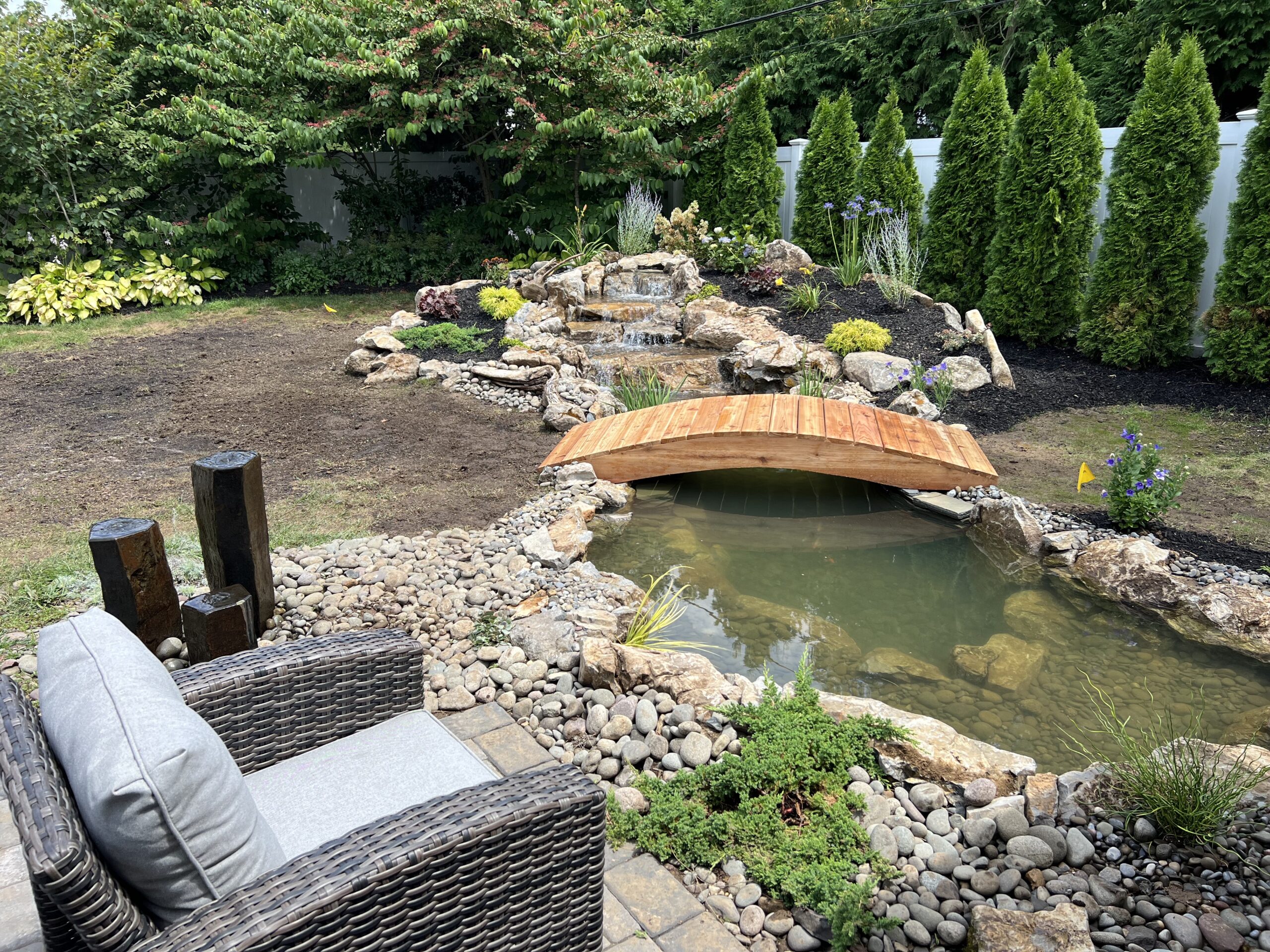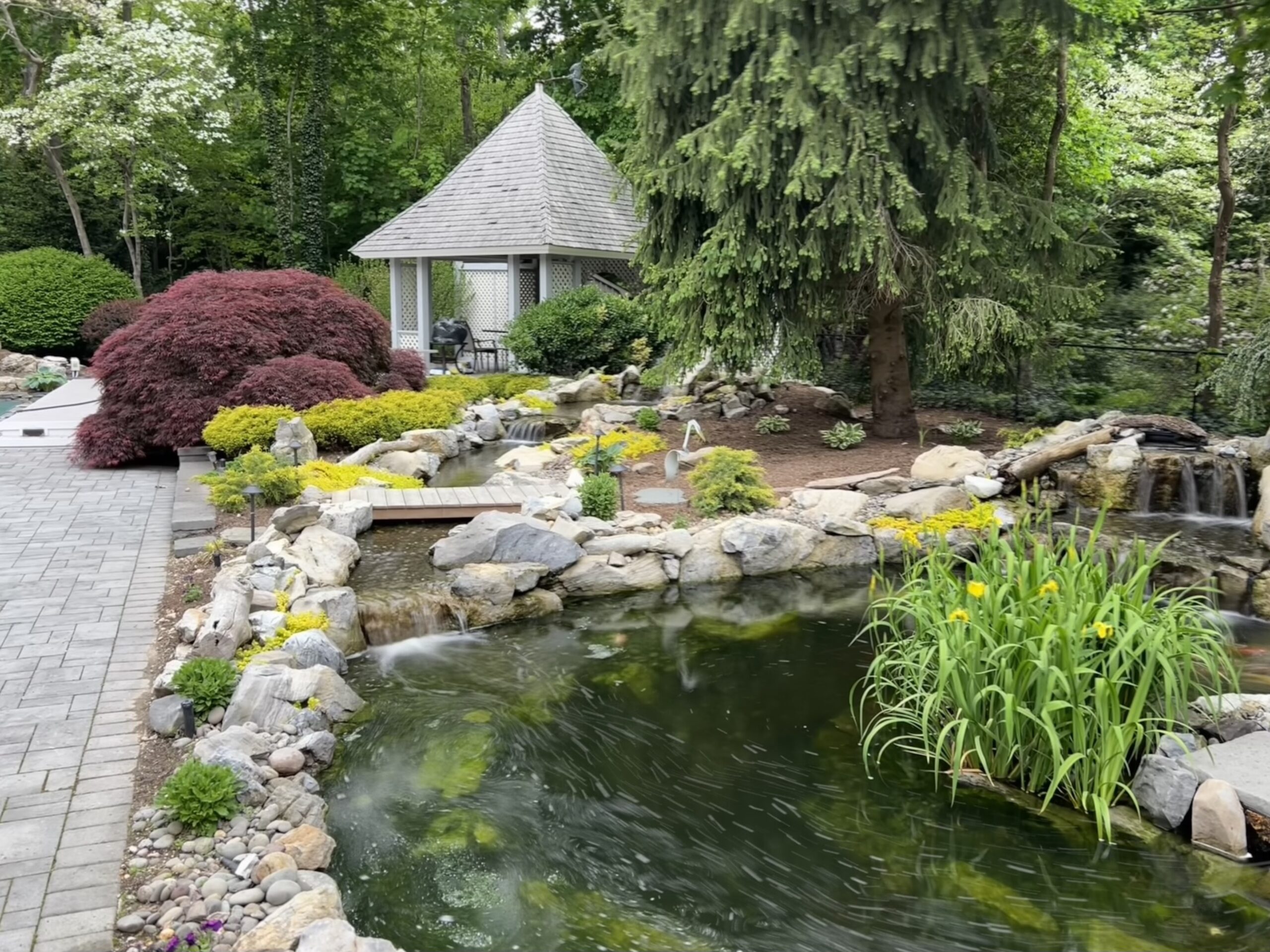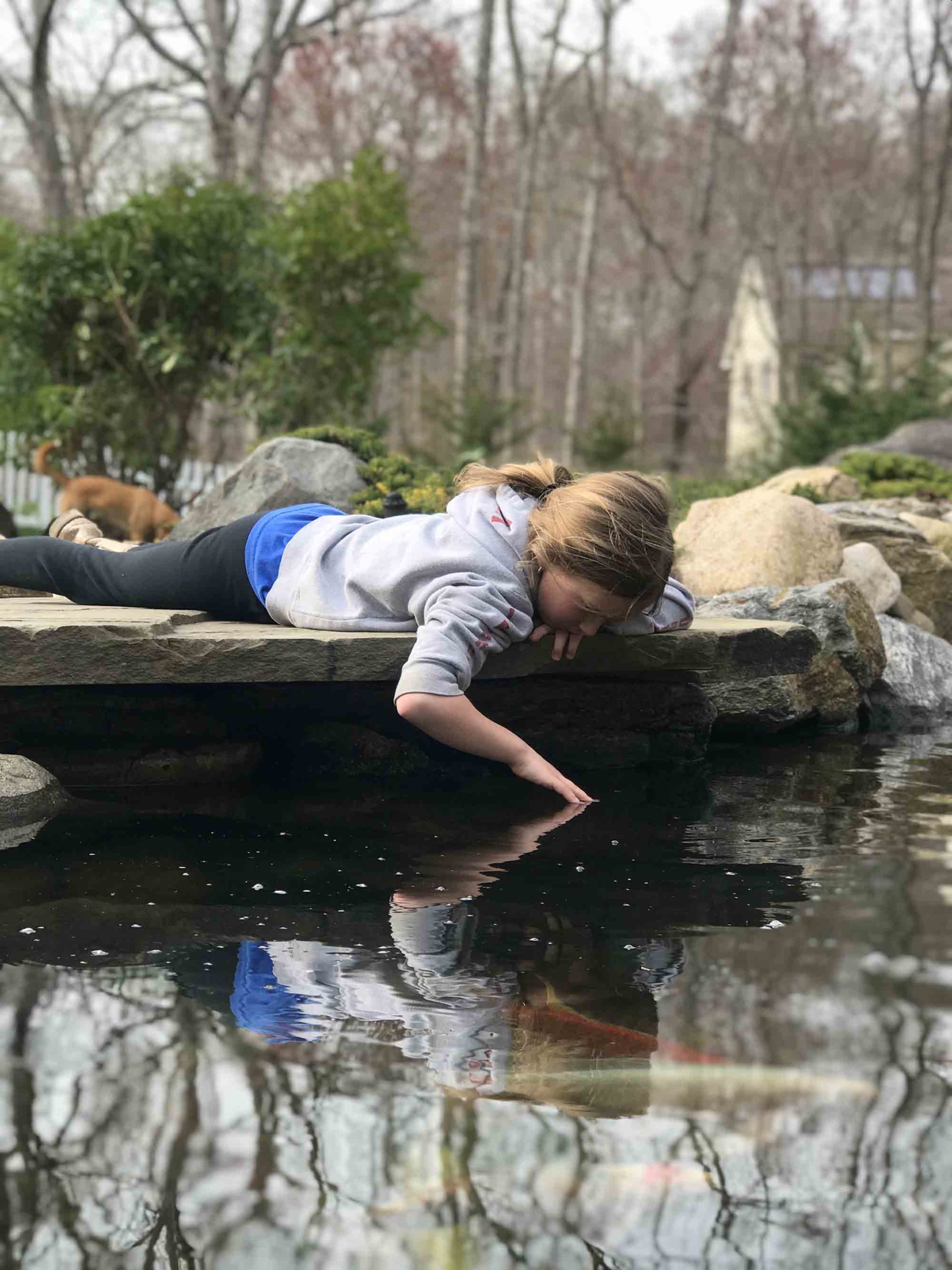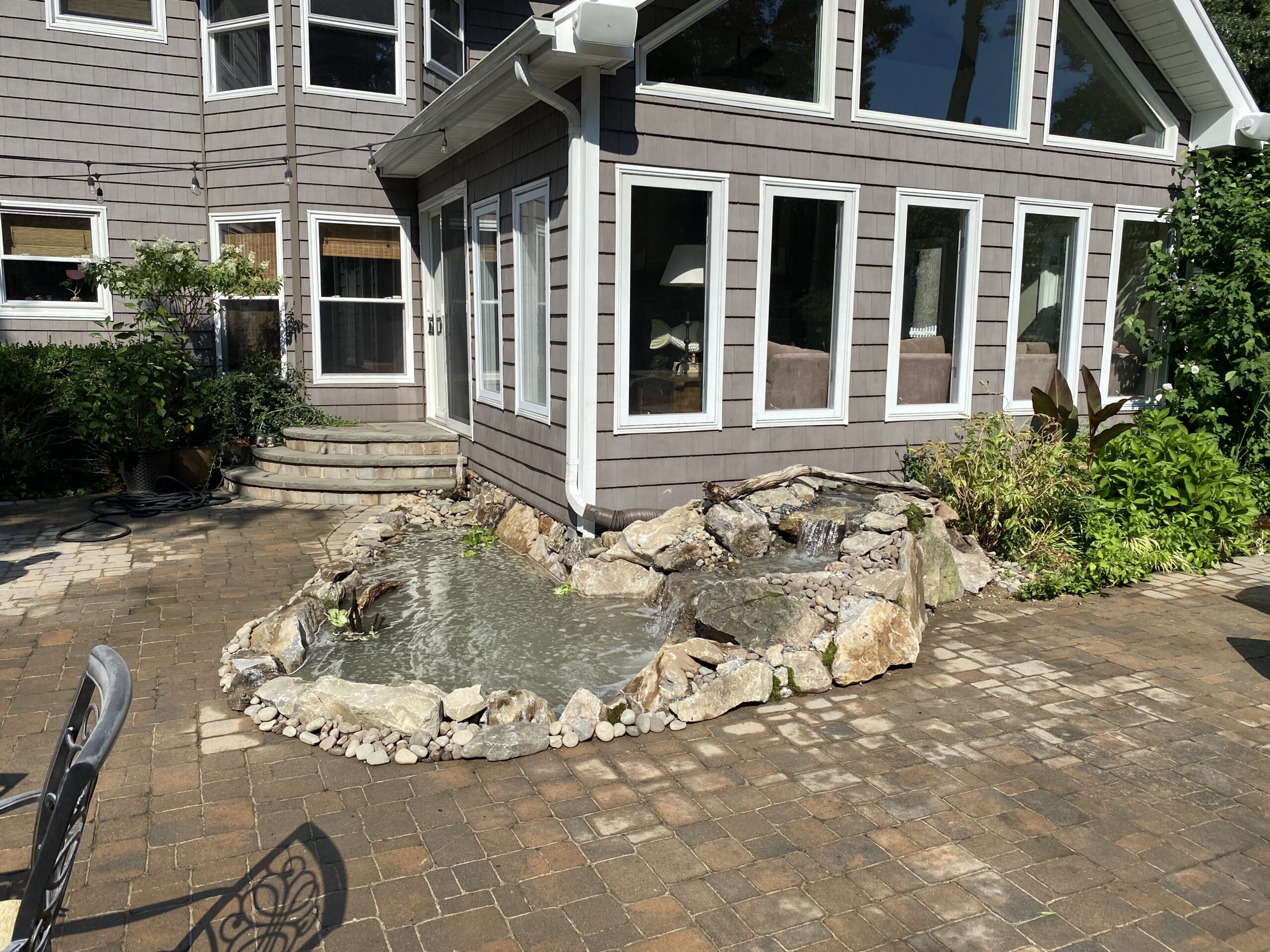
Algae is the #1 complaint we hear from Long Island pond owners. That green, murky water is frustrating—but it's also a sign that your pond's ecosystem is out of balance. The good news? With the right approach, you can have crystal-clear water all season long.
Understanding Pond Algae
Not all algae is bad. In fact, a thin coating of algae on rocks and liner is perfectly normal and actually beneficial—it's part of a healthy ecosystem. The problem starts when algae grows out of control.
Types of Pond Algae
- Green Water (Planktonic Algae) — Microscopic algae that turns your entire pond green. You can't see your fish even in shallow water. This is the most common complaint.
- String Algae (Filamentous Algae) — Long, hair-like strands that cling to rocks, waterfalls, and equipment. It can clog pumps and skimmers.
- Blue-Green Algae (Cyanobacteria) — Actually bacteria, not algae. Forms thick mats on the surface and can be toxic to pets and wildlife. This requires immediate professional treatment.
What Causes Algae Blooms on Long Island?
Long Island's warm summers and nutrient-rich environment create perfect conditions for algae. Common triggers include:
- Excess nutrients — Fish waste, decomposing leaves, fertilizer runoff, and uneaten fish food all feed algae
- Too much sunlight — Ponds with no shade or plant coverage get hit hardest in summer
- Overstocked fish — More fish = more waste = more nutrients for algae
- Poor filtration — An undersized or neglected filter can't keep up with nutrient loads
- New pond syndrome — Newly built ponds haven't established beneficial bacteria colonies yet
Prevention: The Best Algae Strategy
Prevention is always easier and cheaper than treatment. Here's what works:
1. Beneficial Bacteria
This is your first line of defense. Beneficial bacteria colonize your filter media and pond surfaces, consuming the same nutrients that algae need. Add concentrated bacteria treatments weekly during the active season. We use professional-grade products in our maintenance programs.
2. Aquatic Plants
Plants compete directly with algae for nutrients and sunlight. Aim for 40-60% surface coverage with a mix of:
- Water lilies (shade the surface)
- Marginal plants (absorb nutrients from the edges)
- Submerged oxygenators (compete directly with algae underwater)
Check our guide on the best aquatic plants for Long Island ponds for specific recommendations.
3. UV Clarifier
A UV clarifier passes water through a chamber with ultraviolet light, killing planktonic (green water) algae. It won't eliminate string algae, but it's extremely effective for crystal-clear water. We recommend these for most Long Island ponds as part of our installation packages.
4. Proper Fish Load
A general rule: no more than 1 inch of fish per square foot of pond surface. Overcrowding produces excess waste that overwhelms your biological filtration.
5. Reduce Nutrient Sources
- Don't overfeed fish—feed only what they can consume in 5 minutes
- Keep lawn fertilizer away from the pond area
- Remove dead leaves and debris promptly
- Schedule regular pond cleanings to remove accumulated sludge
Treatment Options
If prevention isn't enough, here are effective treatment approaches:
- Algaecides — Fast-acting but treat symptoms, not causes. Overuse can harm fish and beneficial bacteria. Always follow dosing instructions exactly.
- Barley straw — As it decomposes, it releases compounds that inhibit algae growth. Works slowly but is gentle on the ecosystem.
- Manual removal — For string algae, physically removing it is effective. Use a toilet brush or algae brush on rocks.
- Professional treatment — Our algae control service combines multiple approaches for lasting results.
When to Call a Professional
Call us if you're dealing with:
- Persistent green water that won't clear despite treatment
- Blue-green algae (potential health hazard)
- Recurring blooms year after year
- Fish health issues alongside algae problems
Sound Shore Pond provides comprehensive algae control services across Long Island. We diagnose the root cause—not just the symptoms—and implement lasting solutions. Contact us for a free assessment.