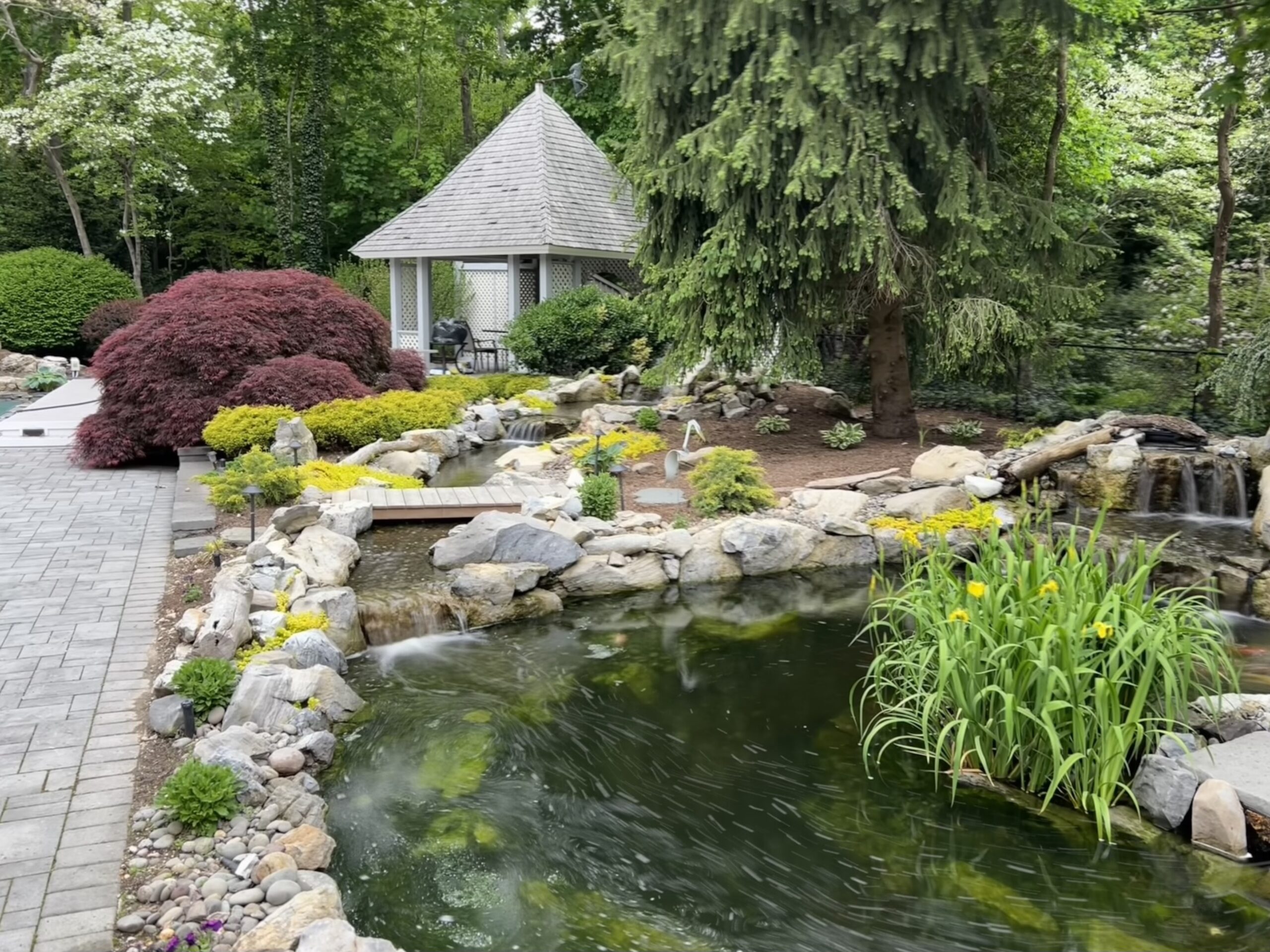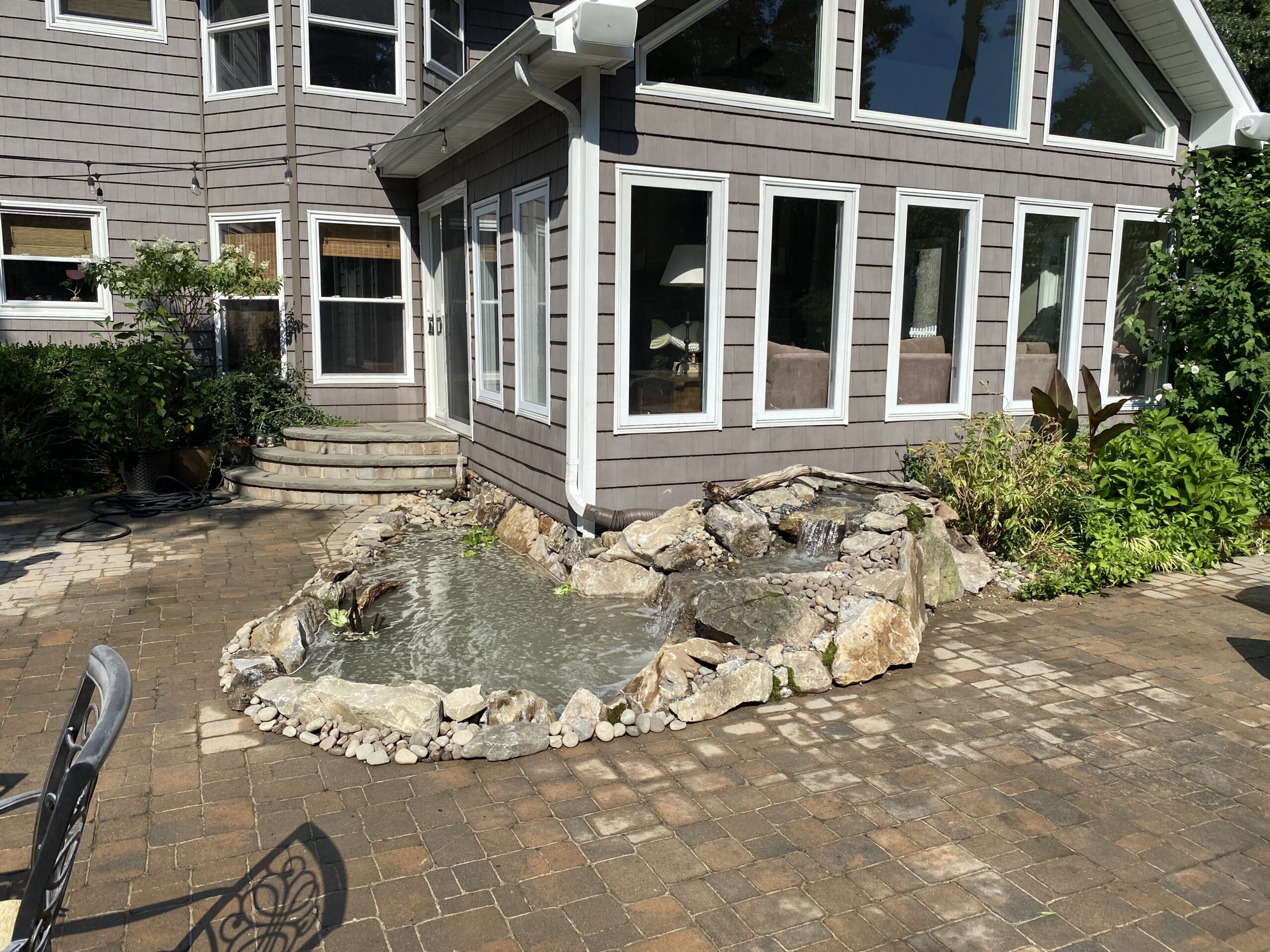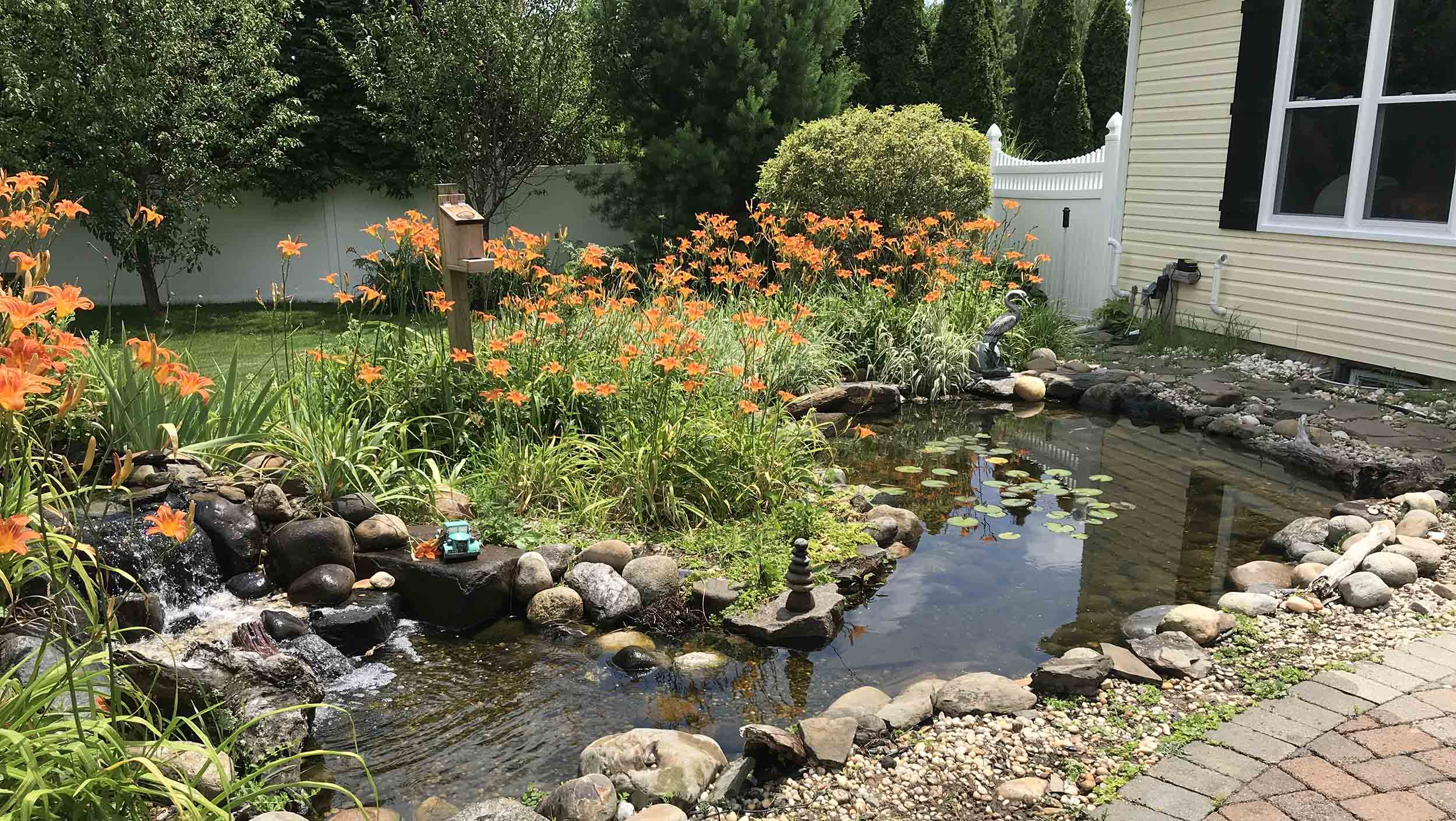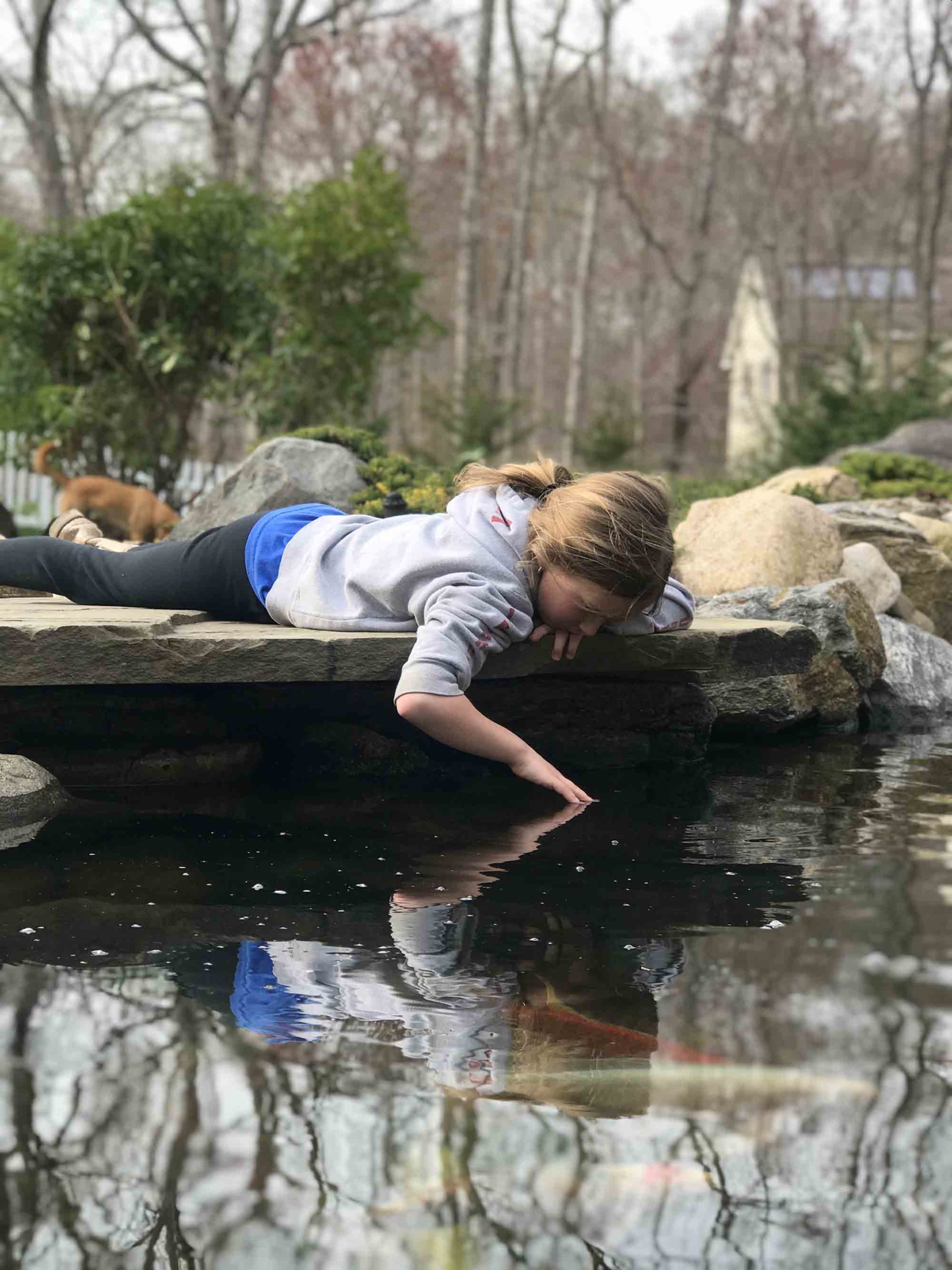
Long Island winters can be harsh on koi ponds. Water temperatures drop below 40°F, ice forms across the surface, and your fish enter a state of torpor—a hibernation-like slowdown. Proper winterization protects your fish, your equipment, and the overall health of your pond ecosystem.
As a Master Certified Aquascape Contractor with 15+ years of owner experience in the water feature industry on Long Island, I've winterized hundreds of ponds across Nassau and Suffolk County. Here's exactly what you need to do.
When to Start Winterizing on Long Island
On Long Island, winterization typically begins in late October to mid-November, when water temperatures consistently drop below 50°F. Don't wait for the first freeze—by then, you're behind schedule.
Monitor your water temperature with a pond thermometer. When it hits 55°F, it's time to start your fall maintenance routine.
Step 1: Stop Feeding Your Fish
When water temperature drops below 50°F, stop feeding your koi entirely. Their metabolism slows dramatically and they cannot digest food properly in cold water. Undigested food rots in their system and can be fatal.
Between 50-60°F, switch to a cold-water wheat germ food that's easier to digest. Below 50°F, no food at all.
Step 2: Clean the Pond
Remove as much organic debris as possible before winter. Leaves, dead plant material, and sludge at the bottom will decompose under ice, producing harmful gases like hydrogen sulfide.
- Use a pond net to remove floating debris
- Cut back dying marginal plants to just above water level
- Remove dead lily pads and tropical plants
- Consider a thorough pond cleaning if you haven't had one recently
Step 3: Install Leaf Netting
If you haven't already, stretch leaf netting over your pond before peak leaf-drop. This prevents hundreds of pounds of leaves from entering your pond. Secure the edges with stakes or heavy stones.
Step 4: Transition Your Equipment
This is where many homeowners make mistakes:
- Remove the pump — Store it in a bucket of water in your garage. Never let a pump dry out completely over winter.
- Remove UV clarifiers — The quartz sleeves can crack if water freezes inside them.
- Clean filters — Give biological media a final rinse in pond water (never tap water, which kills beneficial bacteria).
- Disconnect check valves — Drain all plumbing lines to prevent ice damage.
Step 5: Install a De-Icer and Aerator
This is the most critical step. Your koi need a hole in the ice to allow gas exchange—toxic gases out, oxygen in. Install:
- Floating de-icer — Keeps a small area of the surface ice-free. Position it away from the deepest part of the pond.
- Small aerator — A bubbler placed at mid-depth (not the bottom) keeps water circulating near the opening.
Important: Never place the aerator at the bottom of the pond. This would circulate the warmest water (which settles at the bottom in winter) to the surface, chilling the entire pond and stressing your fish.
Step 6: Add Cold-Water Beneficial Bacteria
Switch to a cold-water bacteria formula designed to work in temperatures below 50°F. These bacteria continue breaking down organic matter slowly through winter, keeping water quality stable.
Common Winterization Mistakes
- Breaking ice by force — Never smash ice on your pond. The shockwave can injure or kill fish. Use a de-icer or pour hot water to melt a hole.
- Running the waterfall — Moving water loses heat faster and can create dangerous ice dams.
- Ignoring the pond all winter — Check your de-icer and aerator weekly. Power outages happen, and equipment fails.
- Waiting too long to winterize — A sudden cold snap can catch you off guard.
When to Call a Professional
If you're unsure about any of these steps, or if your pond has unique features like multiple waterfalls, extensive plumbing, or a large fish population, professional winterization is the safest choice. Our winter maintenance service covers everything—from equipment removal to ongoing monitoring throughout the season.
Sound Shore Pond has been winterizing ponds across Long Island for years, drawing on 15+ years of owner experience in the water feature industry. We know the local conditions, the timing, and the best equipment for our climate. Contact us to schedule your fall closing before the cold sets in.